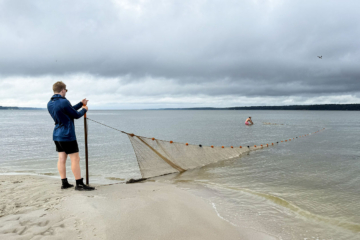
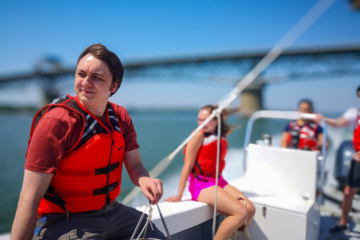
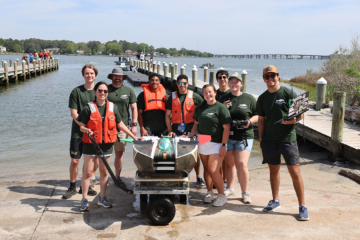
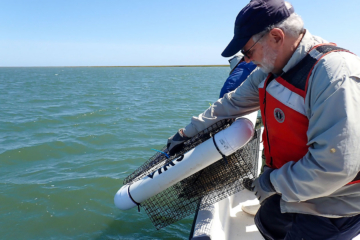
Preliminary results from a survey suggest that an average year class of young-of-year striped bass was produced in the Virginia tributaries of the Chesapeake Bay in 2026.
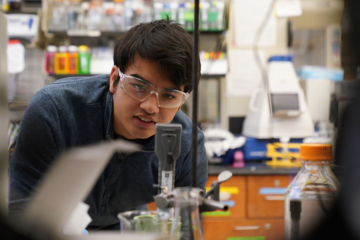
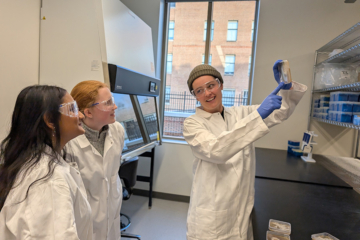
The Charles Center for Undergraduate Research provides opportunities that make summer research possible for William & Mary students across disciplines.
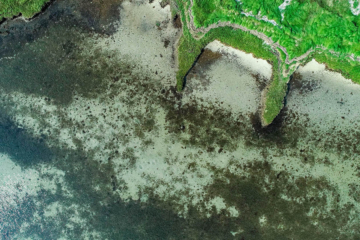
Submerged aquatic vegetation (SAV), one of the Chesapeake Bay’s most important indicators of ecosystem health, increased by 7% to an estimated 89,395 acres in 2025.
On Aug. 20, 1,704 first-year students and 220 transfer students moved into residence halls, beginning their journey as part of the unique W&M community.
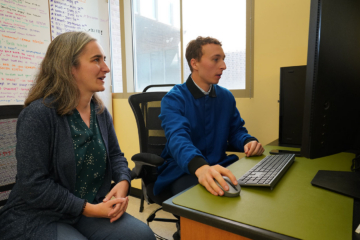
William & Mary’s School of Computing, Data Sciences & Physics has been selected for a Phase I award through the U.S. Department of Energy's Genesis Mission.
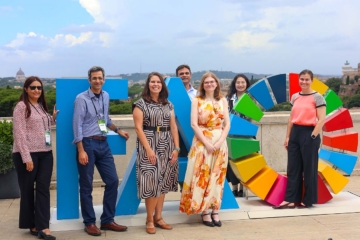
A recent gathering of 120 international policymakers, researchers and nonprofit leaders in Rome celebrated "how far the field has come in just a few short years."
The Values in Action awards recognize staff and faculty at William & Mary who exemplify the qualities the university holds in highest regard: belonging, curiosity, excellence, flourishing, integrity, respect and service.
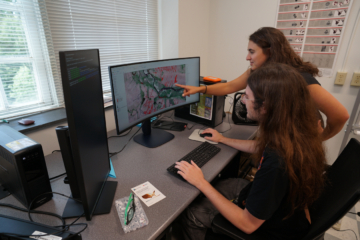
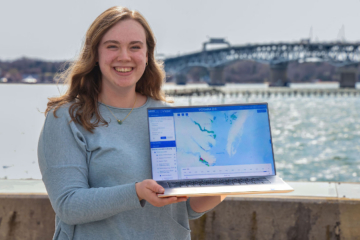
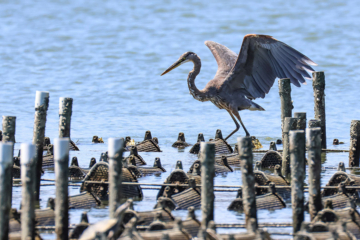
Developed as part of an undergraduate project, the tool unveiled by William & Mary’s Batten School & VIMS brings to life almost 30 years of oyster survey data.
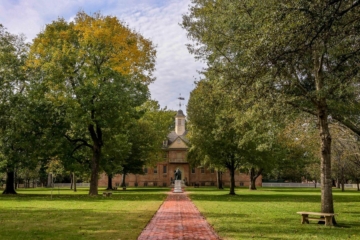
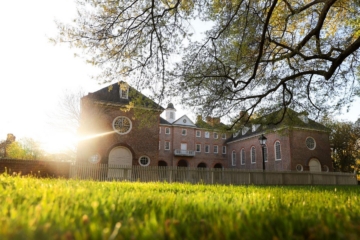
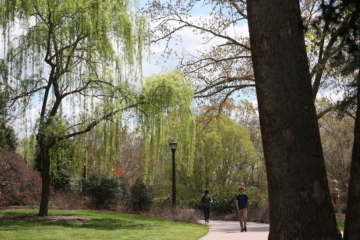
William & Mary’s campus — long celebrated for its sweeping green space and its cathedral-like canopy — has earned formal recognition as a Level I arboretum.
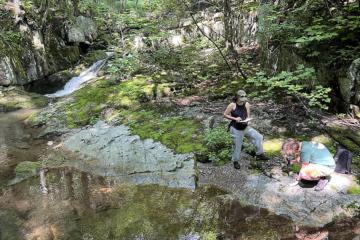
Supported by Charles Center summer research grants, students in the geology department are conducting theses on geologic phenomena spanning diverse settings and landscapes.