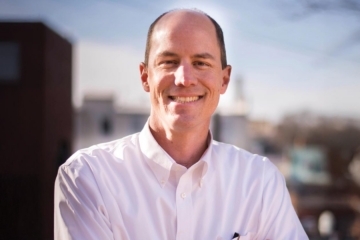
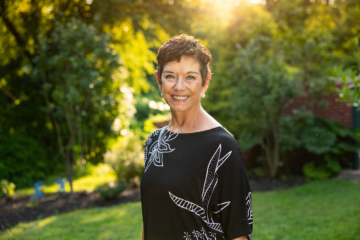
Terry Driscoll, whose visionary leadership transformed William & Mary Athletics over more than two decades, has been elected to the Virginia Sports Hall of Fame Class of 2026.
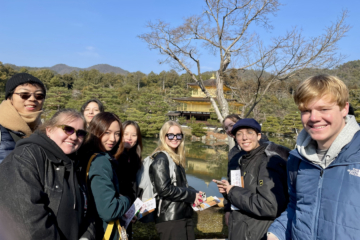
The faculty-led study abroad program offers an opportunity to explore Japan’s Kansai region through engagement with cultural texts, classroom discussions and immersive site visits.
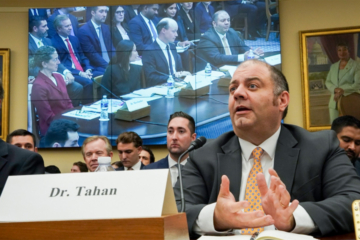
The tool is designed to help judges, lawyers, members of the media, elections officials and the public efficiently navigate complex state election statutes.
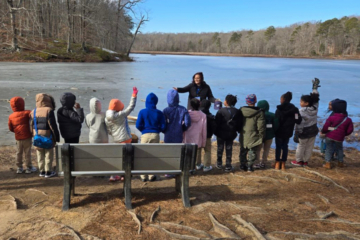
Assistant Professor Kathryn Lanouette is leading a research project to better characterize what outdoor environmental education can look like in urban spaces.
Kimberly Richards-Thomas, W&M School of Education |
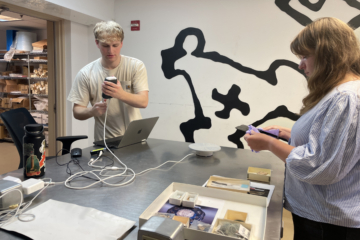
William & Mary Libraries and Jamestown Rediscovery partnered to 3D scan and print artifacts to create an interactive learning experience about the lives of 17th-century women in Jamestown.
William & Mary is once again the top-ranked public university in the nation for study-abroad participation, a ranking it has attained 12 times over the last 17 years.
As senior director of preconstruction and risk management at McKinstry, Howard Turner Jr. M.B.A. ’02 spearheads projects that reduce utility consumption, cut carbon emissions and save his clients money.
Free and open to the public, the exhibition runs in the Sadler Center Hart Gallery from Nov. 10 until Dec. 5 and features student experiences across a diverse range of mediums and perspectives.
Designed for practicing educators, the program empowers teachers to deepen their expertise and strengthen their impact without having to leave the classroom.
Kelli Claiborne M.Ed. '25, Ed.S. '27, School of Education |
After an accomplished career prosecuting art crime cases, KT Newton ‘77 founded Argus Cultural Property Consultants, a private firm that assists clients in preserving and protecting priceless art and antiques.
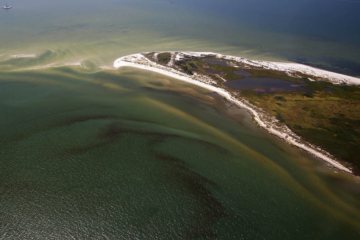
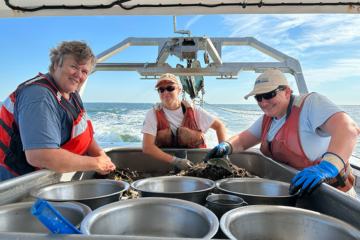
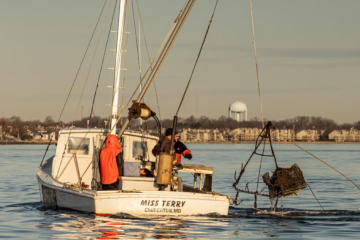
The second round of programmatic funding awarded by William & Mary’s Batten School & VIMS totals $1.8M in support of 13 projects focused on removing derelict fishing gear from coastal waters.
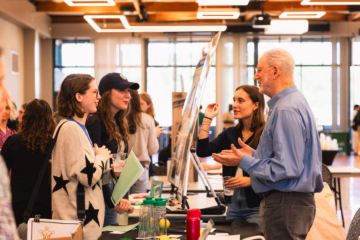
The third annual Undergraduate Research Opportunities Fair drew a record crowd to Sadler Center's Chesapeake Room Oct. 15, with more than 270 students exploring the expansive array of multidisciplinary research opportunities available on campus.