
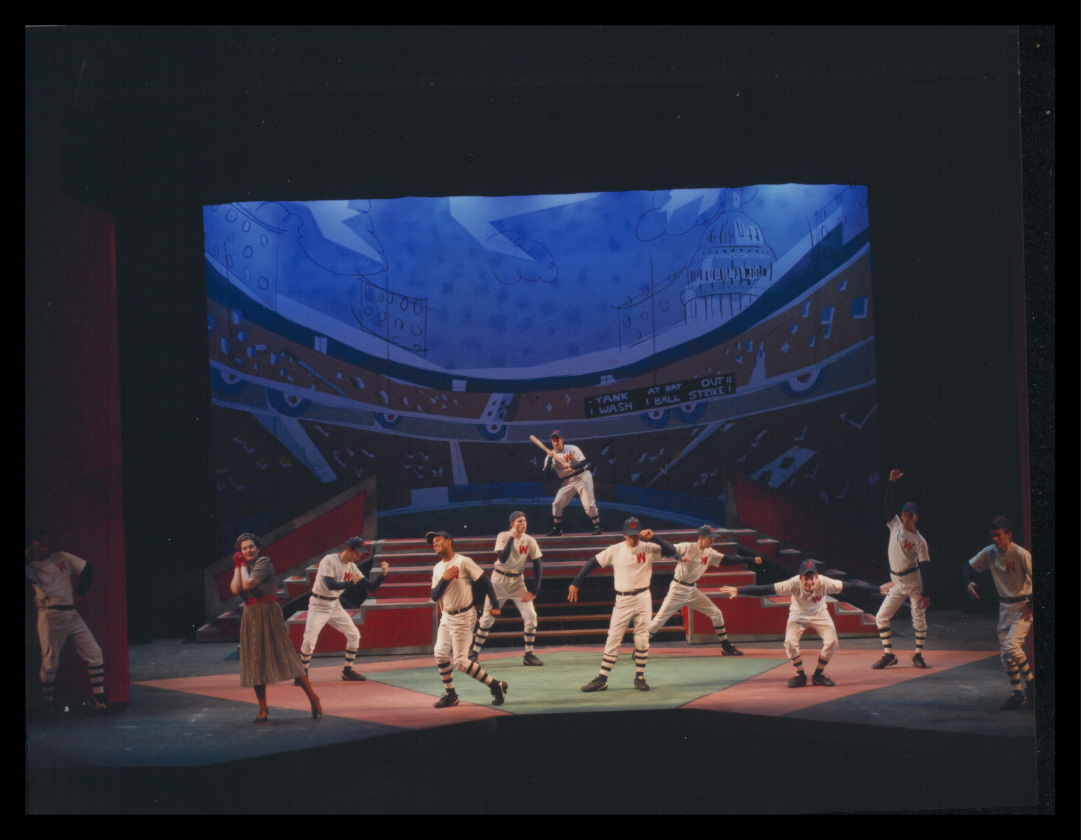
William & Mary is marking a dramatic centennial: Theatre turns 100 this year.
In celebration, a once-in-a-century event will be held at 7 p.m. Oct. 22 at Phi Beta Kappa Memorial Hall. Whether you trod the boards, worked tech, built sets, stitched costumes, fit wigs or cheered from the house, this is a night to honor the past, toast the present and kick off the next century of stagecraft.
Students are invited to gather with more than 380 alumni, faculty, friends and community members who are registered to attend.
The program, organized by Professor Emerita Tric Wesp ’76 and Kay Rouse Lark ’76, will include a musical program featuring current and former students and a sneak peek from the dance department’s upcoming DANCEVENT. Swem Special Collections is bringing volumes of theatre memorabilia, playbills and posters, which will be on display in the studio theatre. Swem’s oral historian Daniel Sunshine will be on hand to collect personal reflections and stories.
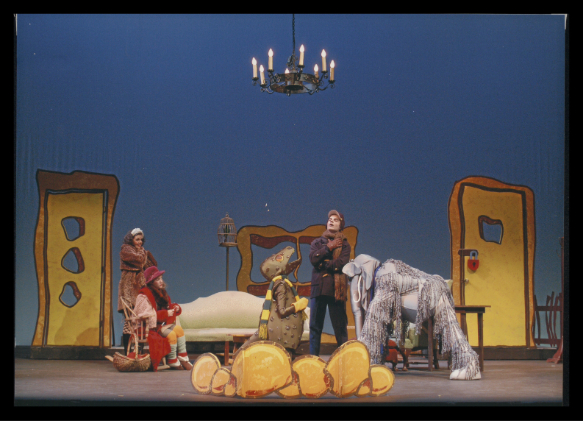
Wesp, who searched the wardrobe for costumes from the past to showcase in the PBK lobby, called it a labor of love. “To those whom much has been given — yup, that’s us – time to be giving back,” she said.
The event is open to the public but registration is required. The clear bag policy will be in effect.
(The dance department will mark its own anniversary – 85 years – with an event at 2 p.m. Oct. 31.)
Humble beginnings
The rich history of theatre and dance at William & Mary includes all the elements of a good drama — some comedy, some tragedy, and the emergence of breakout stars. But it started modestly.
When J.A.C. Chandler 1891, M.A. 1892, P 1920, P 1922, P 1934, G ’48, G ’49, G ’50 became the 18th president of W&M in 1919, there was a student drama club on campus but no academic instruction. Chandler remembered a high school drama teacher, Althea Hunt, from his time as superintendent of Richmond public schools, and hired her to teach play production in the English department.
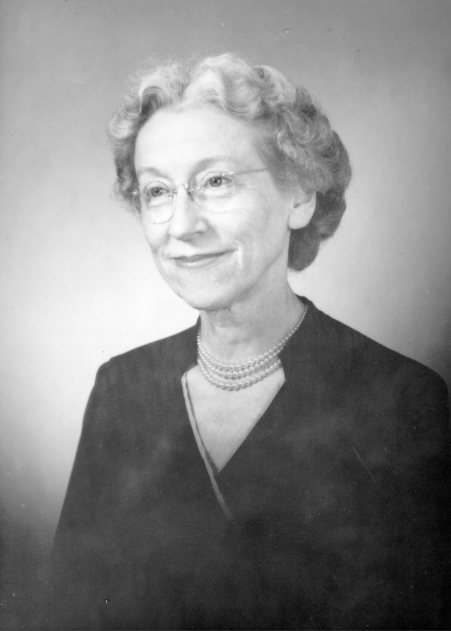
“She ran William & Mary Theatre by herself for a generation,” said Joan Gavaler, professor of dance and current chair of the Department of Theatre & Performance.
Even when it was brand new in 1926, the original Phi Beta Kappa Hall was less than ideal as a performance space. Built as an auditorium, it had a narrow backstage, no dressing rooms and no curtain. That said, it was a significant upgrade from what the drama club had been using. Before PBK opened, plays were rehearsed in the auditorium at Eastern State Hospital and staged in the Wren Chapel, which had no backstage space at all. The actors had to climb in and out of windows at scene changes.
Despite that hardscrabble start, under Hunt, the theatre program was an almost instant success. She quickly became beloved (exacting, but beloved). The players smartly recruited patrons from the community — for financial help and to make sure they had an audience.
Williamsburg was ripe for entertainment. William & Mary Theatre drew crowds with season after season of one-acts, Shakespeare and classic plays.
A student, Howard Scammon ’34, eventually became Hunt’s professional sidekick, and the two revved the department into high gear.
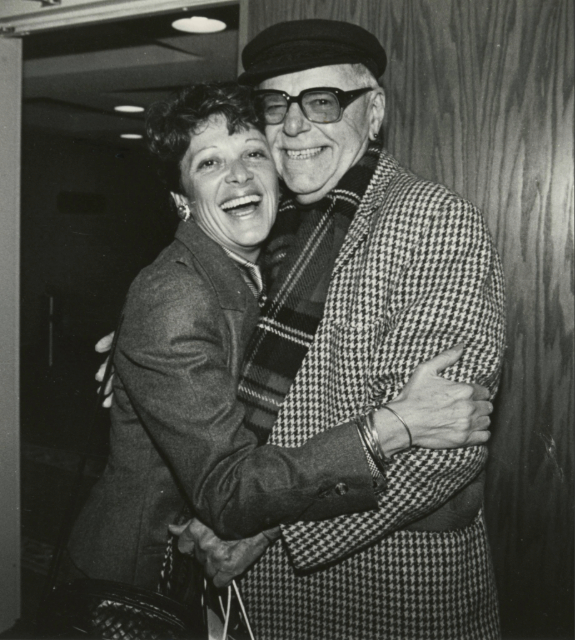
Despite some hurdles (World War II being one), Hunt and Scammon created a vibrant calendar of shows. They added a summer season using students and professionals to cast “The Common Glory,” a “symphonic drama” about American independence written by Pulitzer Prize winner Paul Green and produced by the Jamestown Company. It played six nights a week at what is now The Martha Wren Briggs Amphitheatre at Lake Matoaka. A review of the show in The New York Times in 1947 noted, “It requires a cast of 150 persons, with a thirty-three-voice chorus singing authentic early airs.”
The wandering years
Then tragedy struck. On Dec. 29, 1953, a fire destroyed the auditorium in Phi Beta Kappa Hall. The building was eventually rebuilt and renamed Ewell Hall, with a $250,000 donation from John D. Rockefeller, but Scammon called the years that followed the fire “the beginning of our wanderings,” as the theatre department rotated among the available spaces around town — Blow Memorial Hall’s gymnasium, Williamsburg High School, Colonial Williamsburg, even the auditorium at Matthew Whaley Elementary.
A new Phi Beta Kappa Memorial Hall — a true performing arts complex — was constructed further west along Jamestown Road. It opened its doors in 1957, becoming the first building on William & Mary’s “new campus.”
After a few years of a diminished production schedule due to the challenge of finding stage space, the department experienced a renaissance. Actors paraded through on their way to stardom. Both Linda Lavin ’59, D.A. ’09 and Glenn Close ’74, D.A. ’89, H.F. ’19 had lead roles in “The Common Glory.” Both, too, later credited Scammon with laying the foundation for their acting success.
After a 30-year run, “The Common Glory” closed in 1976, and the Virginia Shakespeare Festival (VSF) took its place. Shakespeare had long been a staple of both the academic year productions and the summer session.
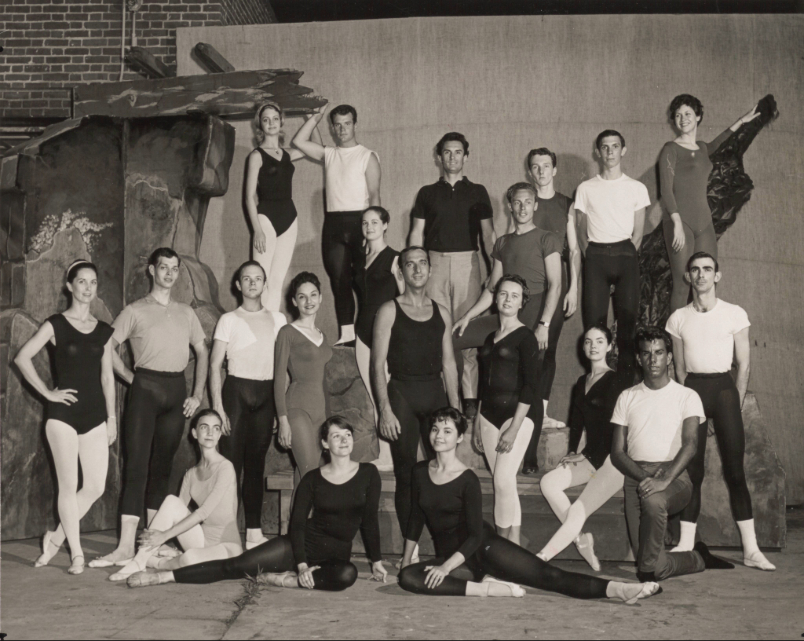
In 1964, Goldie Hawn (yes, that Goldie Hawn) made her acting debut on campus playing Juliet in a VSF production of “Romeo and Juliet,” directed by Scammon. In her memoir, Hawn recounts that during the final tragic scene, it began to pour rain. “Nobody moved, not even the children on the lawn,” she writes. She got her first standing ovation. “I never wanted it to end.”
After 38 seasons, the Shakespeare Festival, too, closed, in preparation for the renovation of PBK Memorial Hall, which opened in 2023. The new building, says Gavaler, “has so many more spaces, it allows for so many more possibilities.”
The next century
Unlike during Althea Hunt’s one-woman-band days, there is now staff to keep those spaces booked with student and professional performances. The Arts Quarter, run by Executive Director Eric Despard, “is dedicated to bringing in more professionals because we now have spaces to accommodate them,” Gavaler says. “It makes us more visible and it wakes up the community to what’s going on in the arts.”
The department is a lot bigger than in Hunt’s days — Gavaler leads a faculty and staff of more than two dozen — but the focus is the same: the students. “So many of the skills they learn here are transferable,” Gavaler says. “What the students learn teaches them not just about theatre or dance but about life.”
Here’s to the next century of that.
Susan Corbett, Communications Specialist